Explore a series of in-depth history reports alongside a chronological timeline, highlighting major points of inequitable social policy development and the ongoing effects on communities today.
The interactive Policy Impact Calculator shows how state policy choices affect resources for families with young children. Compare states, track trends, and simulate outcomes.
The interactive Policy Impact Calculator shows how state policy choices affect resources for families with young children. Compare states, track trends, and simulate outcomes.
How do you know if a state policy truly improves outcomes for infants, toddlers, and their families? We reviewed thousands of research studies for you.
To support lawmakers and advocates, we offer research and evaluation, data and analyses, presentations, testimony, agenda development, and more.
Who We Are
We are a nonpartisan research center at Vanderbilt University. We focus on the rigorous evidence connecting brain science with state policies and programs.
The first three years of life have a powerful impact on the future wellbeing of every person. Families can benefit from a strong early childhood system of care.
New report finds continued state momentum across policies that shape families’ financial stability and access to health and child care. NASHVILLE, Tenn. – September 18, 2026 – Raising an infant or toddler requires time, care,
Explore how states are addressing the benefits cliff by coordinating public assistance, phasing out benefits gradually, and supporting economic mobility.
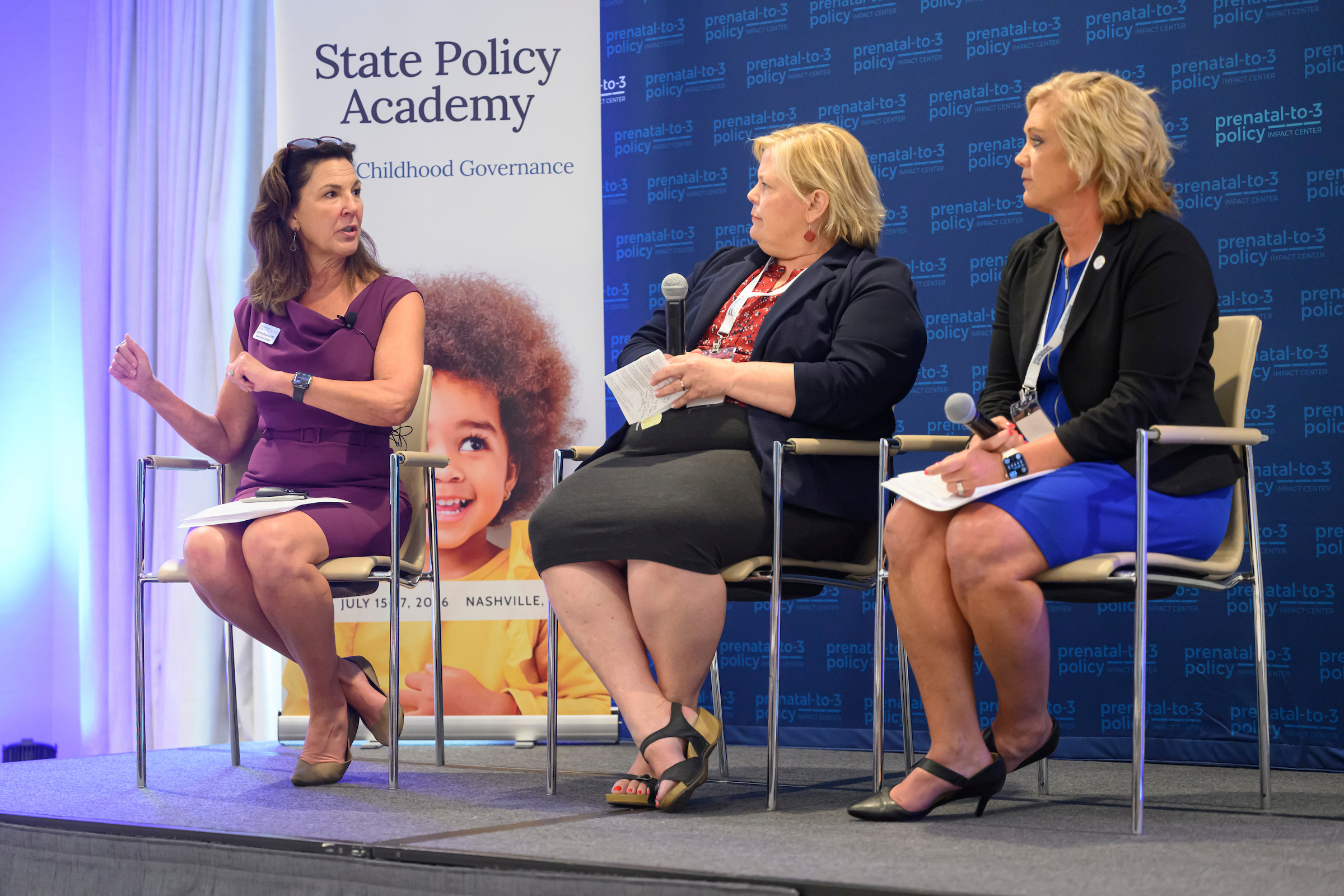
Three-day academy brought together state teams and national experts to examine how governance structures can improve outcomes for young children and families. Nashville, Tennessee – The Prenatal-to-3 Policy Impact Center at Vanderbilt University’s Peabody College
Governance change does not happen overnight, and states rarely accomplish it alone. Drawing on case studies of five states that consolidated their early childhood systems, a new brief from the Prenatal-to-3 Policy Impact Center identifies seven lessons learned, from sustained advocacy to strong, collaborative leadership, that can help state leaders pursue governance change reflecting their own early childhood goals.